Why are some immune-boosting botanicals not ideal for those diagnosed with autoimmune conditions (AI)?
The simple answer, because they have the potential to overstimulate the immune system – which, is already overactive in someone with an (AI) condition.
Let’s break it down:
Autoimmune diseases have immune systems that have lost their self-tolerance. This means that immune cells such as T- and/or B-cells start to identify normal tissue as foreign.
Immune-stimulating herbs such as astragalus, elderberry, echinacea, and medicinal mushrooms work to boost the immune system response and “wake up.” For someone with a healthy immune system, these herbs help fight colds and flus faster with, potentially, fewer symptoms.
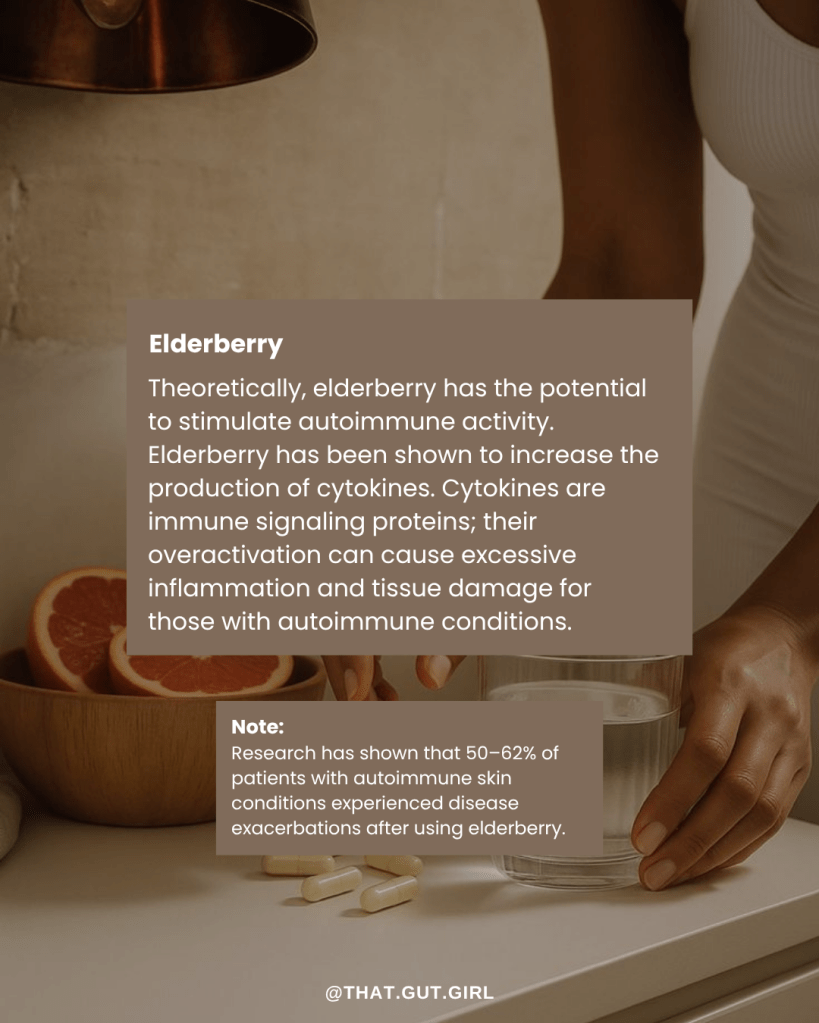
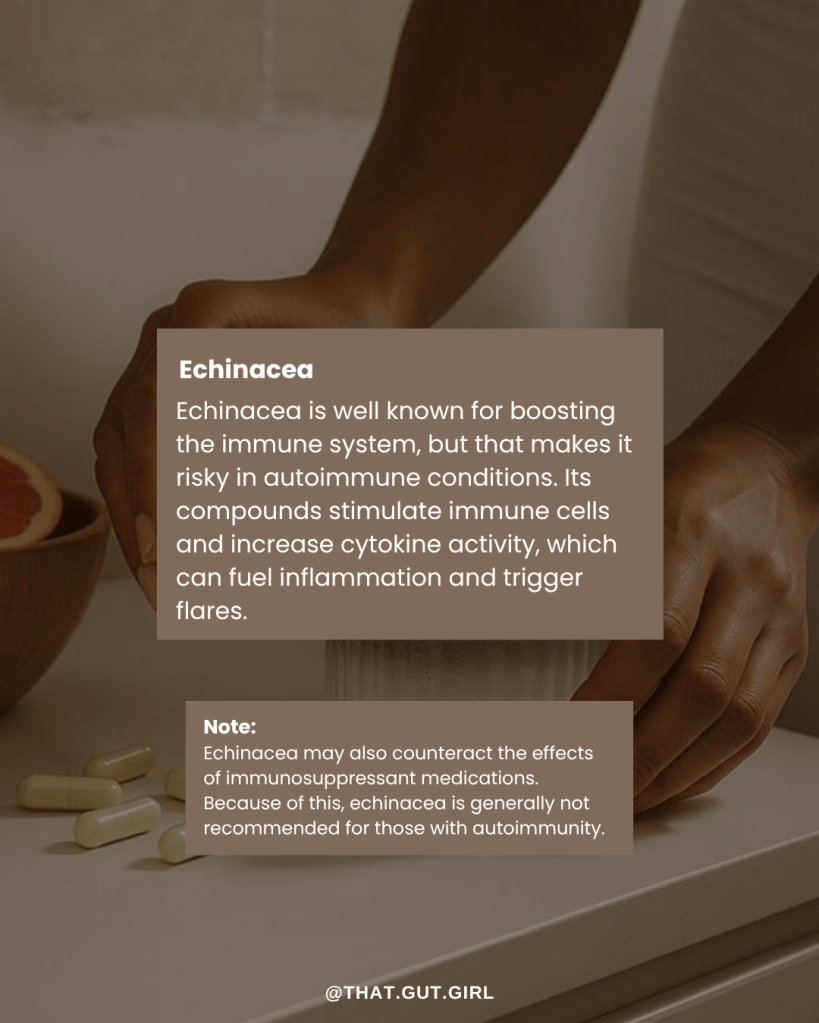
How does this impact those with autoimmunity? This increases the activity of white blood cells, macrophages, natural killer cells, and pro-inflammatory cytokines. This adds fuel to the fire – especially because these immune factors are already dysregulated in those with AI conditions.
This adds fuel to the fire – especially because these immune factors are already dysregulated in those with AI conditions. For someone with an AI condition that takes these herbs can have a worsened attack on their tissues.
This can trigger flares, heighten inflammation, and add to the mental stress that comes with worsening symptoms.
What botanicals should someone with an autoimmune condition approach with caution?
Elderberry
2. Echinacea
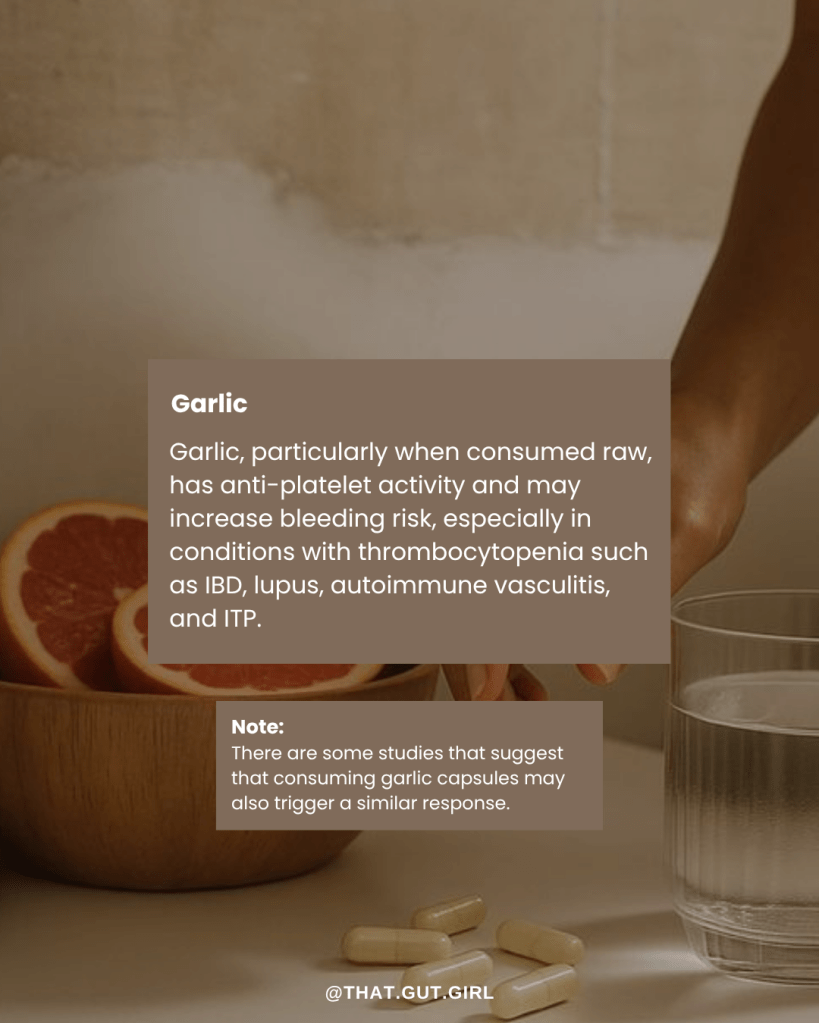
3. Garlic
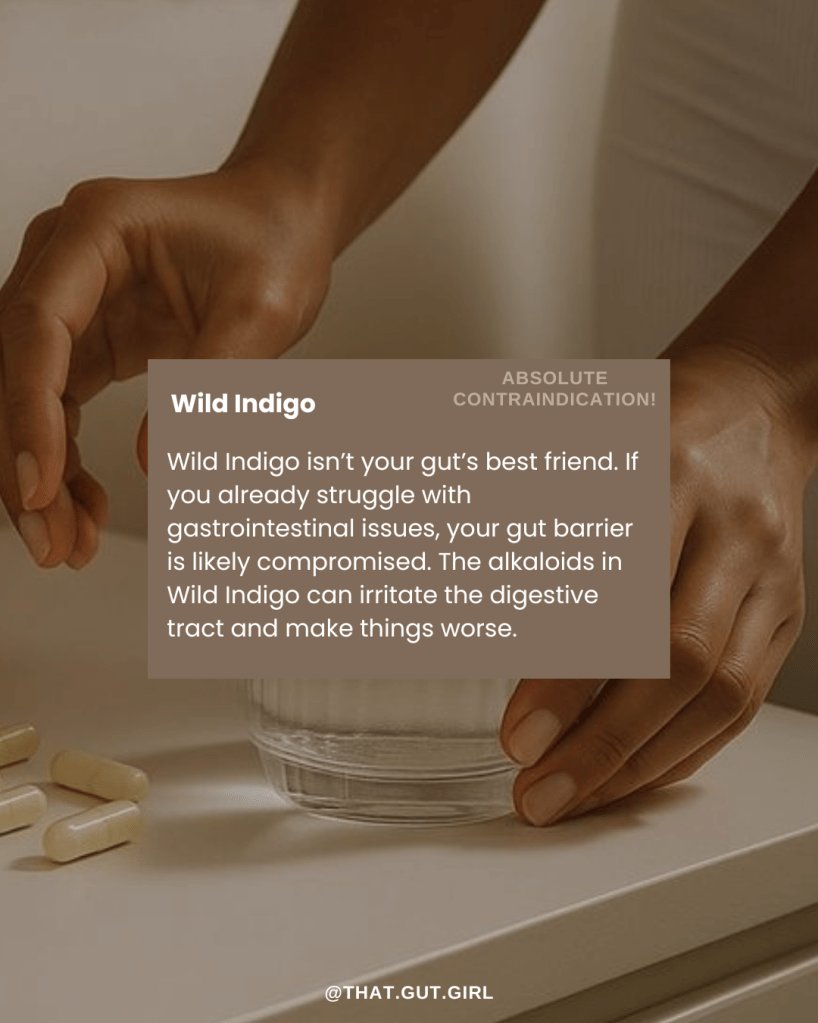
4. Wild Indigo
5. Andrographis and Astragalus
6. Ephedra
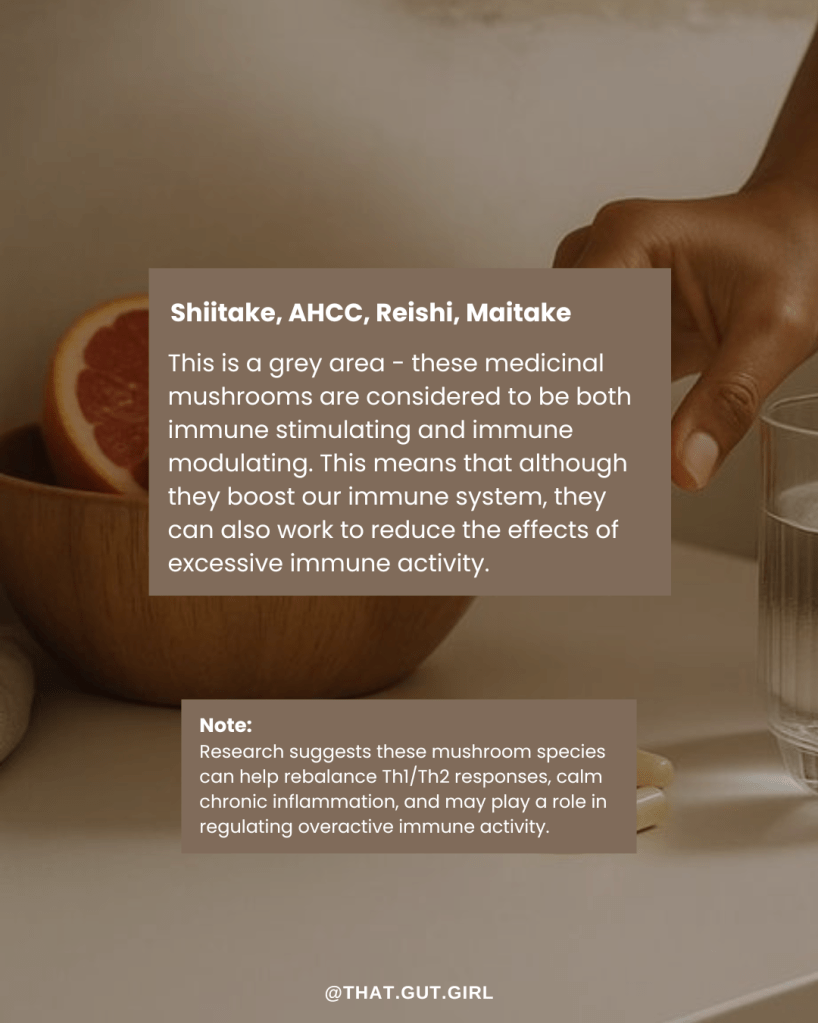
7. Medicinal Mushrooms such as Shiitake, AHCC, Reishi, and Maitake
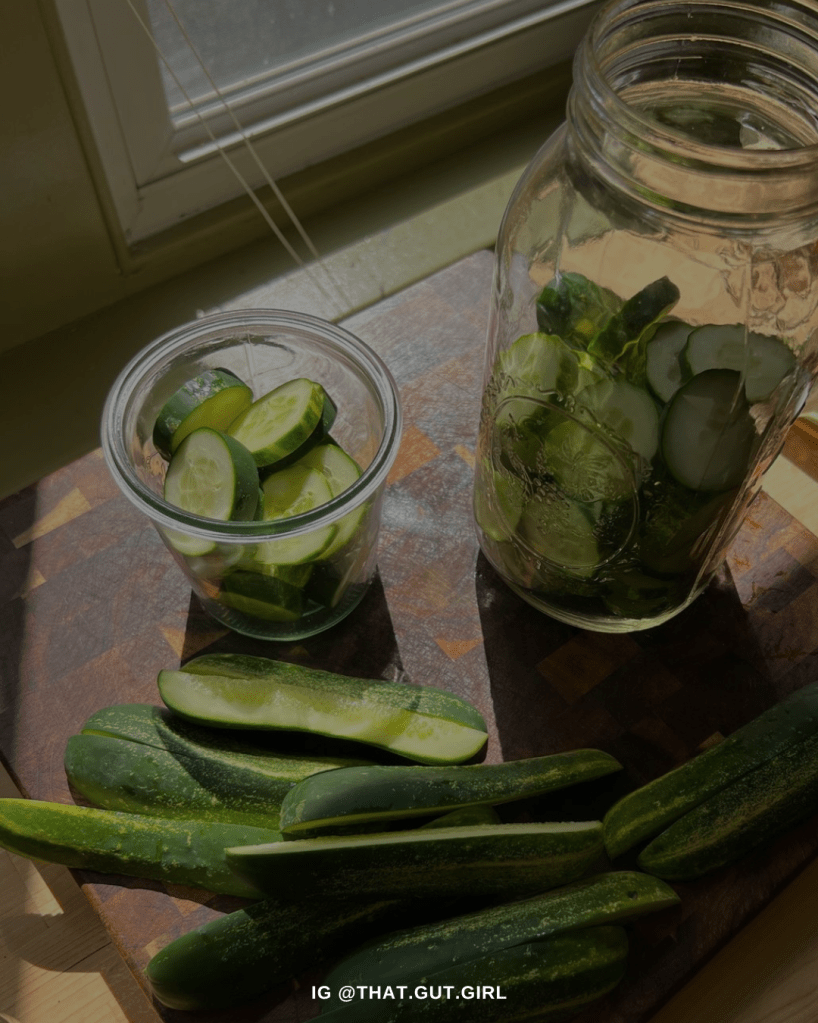
Fermented foods are a gut health staple, rich in probiotics and nutrients that help your microbiome thrive. One of the easiest and tastiest ways to include them is by making your own pickles at home using fresh summer produce. It’s a simple and satisfying way to support digestion naturally.
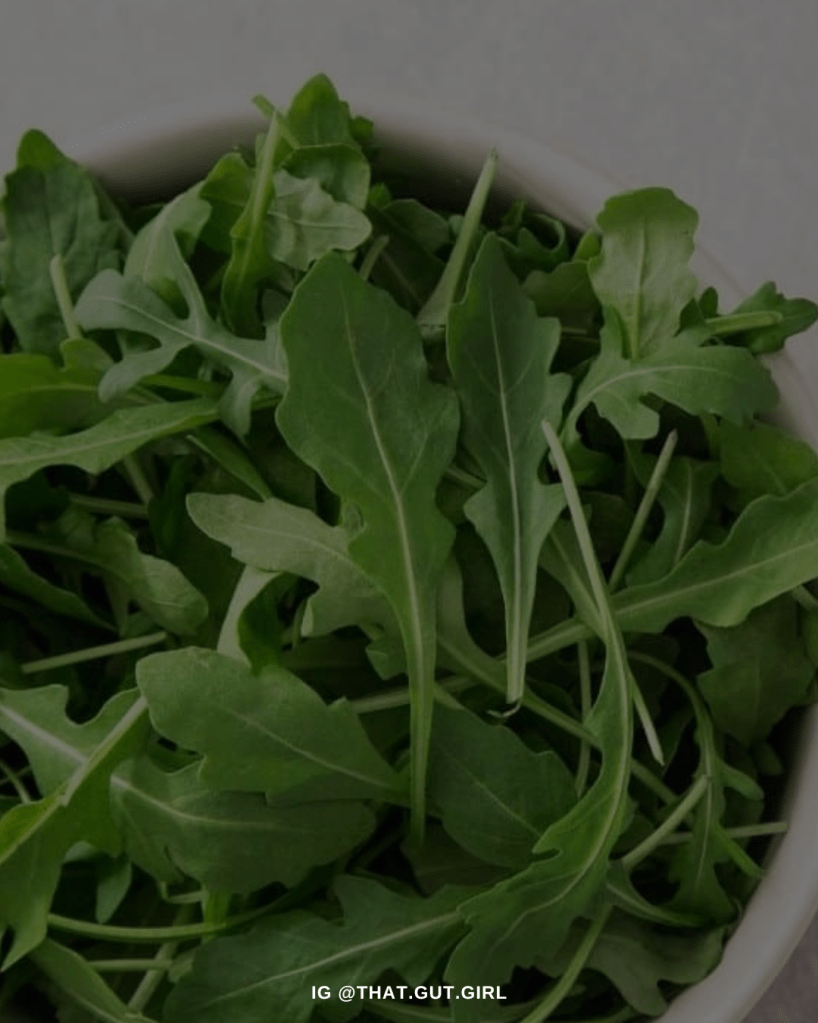
2. Arugula
Arugula isn’t just a flavourful side for summer meals. It plays an important role in nourishing our oral microbiome, which is a key part of overall gut and immune health. Plus, it’s rich in antioxidants and an excellent source of vitamin C.
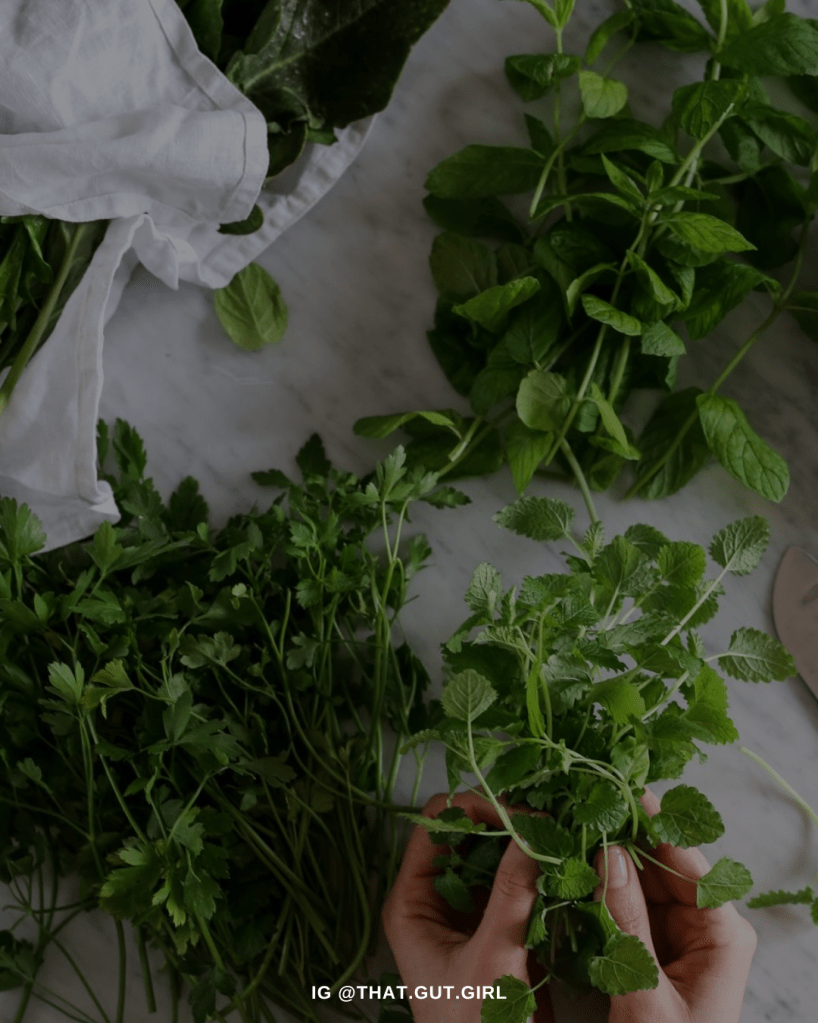
3. Fresh Herbs
Fresh herbs like oregano, basil, thyme, and rosemary are rich in antimicrobial and anti-inflammatory compounds that support both gut health and immune function. One of the best ways to prepare your body for cold and flu season is by strengthening your immune system during the summer months. Including plenty of fresh herbs in your meals can help reduce inflammation and prime your gut microbiome for a resilient immune response later in the season.
4. Kombucha
Kombucha is a refreshing fermented drink that supports the growth of beneficial gut bacteria. Choosing a low sugar, additive free option or even making your own at home can help nourish your gut microbiome and promote digestive health. Research has shown that kombucha may help reduce harmful bacteria like E. coli and Staphylococcus aureus in the gut, making it a great addition to a gut friendly routine.
5. Zucchini
Zucchini is a gut-friendly summer veggie that’s often well tolerated by those with celiac, IBS, or IBD. It’s low in FODMAPs, high in water content, and rich in soluble fiber, making it easy to digest and soothing for sensitive digestive systems.
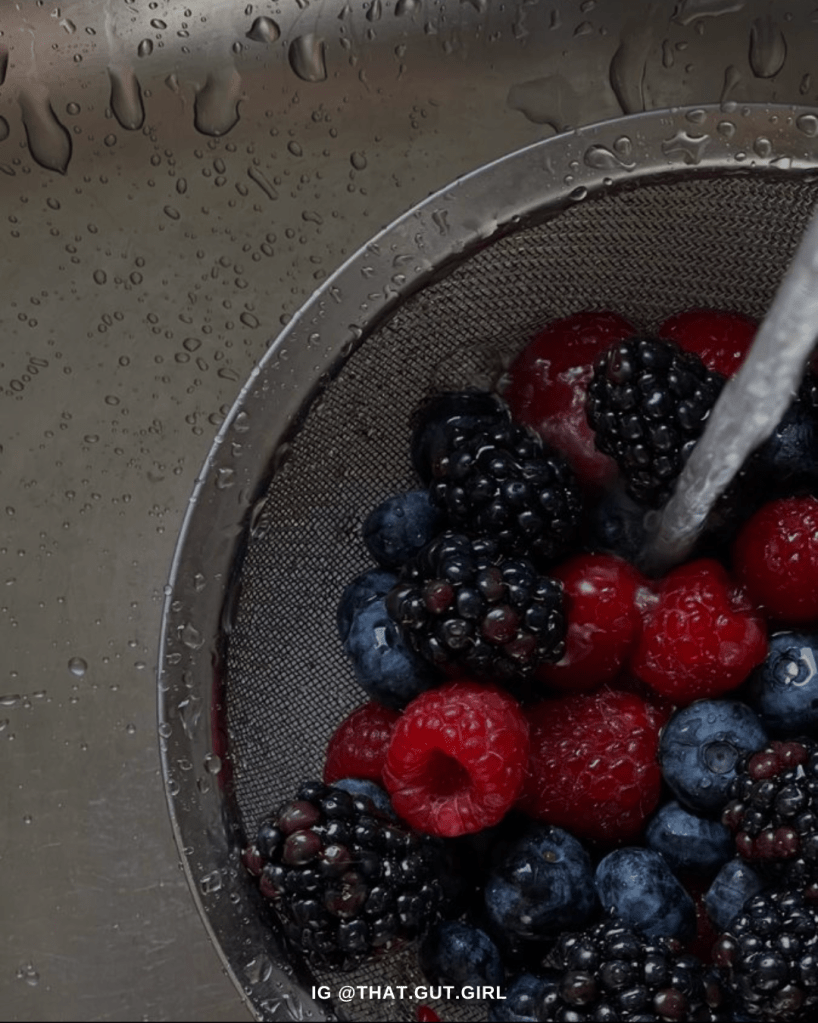
6. Berries – of Any Kind
Berries in general are fantastic, but I never cease to eat them weekly throughout the summer months. This is because berries offer a great source of antioxidants while also providing support for regulating metabolic syndrome, insulin resistance, and reduced glucose tolerance.
7. Pineapples
Yes, pineapple does have a higher glycemic index, but I do find it to be helpful to eat during the summer months. Pineapple is a natural source of bromelain – an enzyme that’s used to help breakdown meat and support digestion. I will look to eat pineapple on days that I’m eating heavier meals or when I’m eating meals with red meats.
8. Cherries
Okay, you caught me! Cherries are my favourite fruit, so of course I’m adding them to the list, but for good reason! I promise! Cherries have glycemic index of 22, so they rarely spike blood sugar unless consumed in high portion sizes. Cherries are high in polyphenols which help support the microbiome and decrease inflammation. Even more interesting, cherries are a source of melatonin – a hormone that works with the gut-brain access & promotes mucosal healing.
9. Coconut Water
Coconut water can be consumed year round, but I’m particularly a fan of it during the summer. Coconut water is an excellent source of hydration that’s also rich in electrolytes like potassium. Coconut water may also help stimulate peristalsis – wave-like contractions of the intestines, that promotes digestion & movement of stool throughout the bowels. Buh-bye constipation!
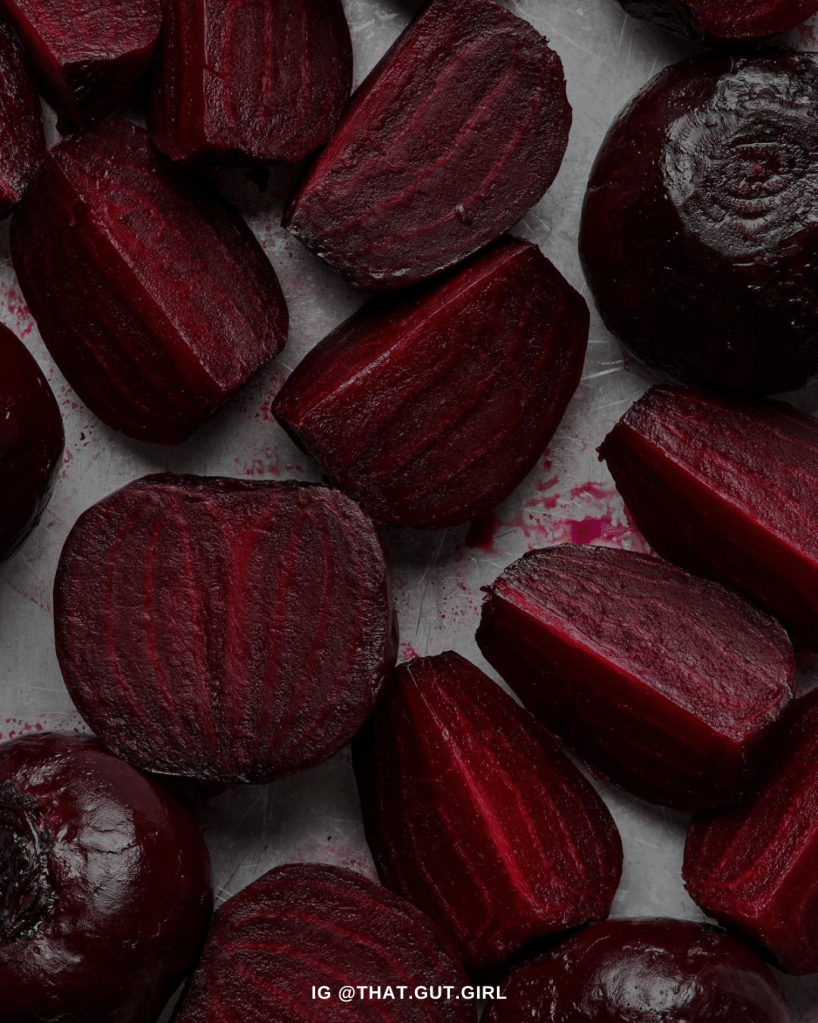
10. Beets
I *beet* you didn’t think I’d add this one to the list! Beets are often forgotten, but I’m here to give them praise! Beets are high in betaine and nitrates which both help support liver detoxification. Supporting your liver’s natural detoxification processes can help improve bile flow, which plays a key role in healthy digestion.
DISCLAIMER
This is not medical advice. This is simply for educational purposes.
Always consult a trusted healthcare provider before starting any new natural health products or making changes to your wellness routine.
If you’re interested in working with me, you can request to see me under the supervision of a registered Naturopathic Doctor (ND) here
Morning light helps regulate our circadian rhythm – the body’s internal clock that helps synchronize our energy, sleep and hormone cycles. Exposure to morning light supports serotonin production.
Serotonin acts as both a neurotransmitter and hormone. It’s role is to balance sleep, mood and appetite as a neurotransmitter; but as a hormone, it acts to regulate digestion.
Did you know around 90% of serotonin is made in the gut? It’s true! So, tomorrow when you wake up, think about getting some morning sunlight. It can do your digestion and overall gut-brain axis some good!
Strut Your Stuff! Get Those Steps in.
Any daily movement is good, but aiming to get around 7,000 – 10,000 steps in daily can be a game changer. Physical activity of any kind helps encourage peristalsis – the muscular contractions of our intestines.
Walking has been proven to aid in improving regular bowel movements by reducing symptoms such as bloating or constipation. Interestingly enough, walking has also been associated with reductions in inflammation and improvements in the microbiome diversity – how amazing!
Tip! When is the best time to get your steps in? (Click to view)
Ideally, it’s great to get your steps in after consuming meals – especially if they’re larger in size. This can help stimulate more blood flow and break down the food you have just eaten. Ultimately, walking after meals can help reduce bloating, allow you to pass gas, and have better breakdown of your food.
Mindful Eating
Eating slowly and without any distractions can offer so much support to your digestion. I am sure this sounds so simple and it won’t be that effective, but in some people, mindful eating can be all the difference.
When we force ourselves to become more conscious of our food and practice mindful eating, we are helping support our parasympathetic nervous system. The parasympathetic nervous system, in short, helps the body rest, relax and recover.
Even more interesting, mindful eating has been found to encourage enzyme secretion which may help decrease bloating.
How can I practice mindful eating? (Click to view)
Try observing the colours on your plate
Take your time analyzing the different flavours you taste
Be mindful of the texture of your food
Chew your food slowly and stay away from eating in a rush
Eat foods in areas that are relaxing and comfortable for you
Make a Colourful Plate – Aim for the Rainbow
It’s important to try and get as many different fruits and vegetables in your meals throughout the day. Why is this so? Eating a variety of both fruits and vegetables offers a wide range of fibre, vitamins, minerals and antioxidants – all of which play a crucial role in maintaining good gut health.
Aiming to include at least 2-3 different coloured fruits or vegetables to your plate can help provide a broad nutrient spectrum that can help support regular bowel functioning. This may mean having more regular bowel movements as well as reducing bloating and discomfort.
Tip! (Click to view)
Try adding one to two new coloured fruits or vegetables to your meals each day – if this is too much, try one to two each week. Try to build your meals around the rainbow – try to get orange, red, yellow, green, blue/purple, and white/tan produce into your meals each day.
Our Parents Were Onto Something – A Bedtime Routine is Important
Turns out those late nights watching Netflix shows like Bridgerton (guilty) are not the best for our gut – who knew? Certainly not Penelope Featherington. Irregular sleep patterns tend to disrupt our gut in many different ways; why? Because our gut has its own circadian rhythm. Staying up late reading those page-turning novels (I blame you, Sarah J. Maas) and Netflix shows are having a much bigger impact on our gut then we’d like to admit.
The gut microbiome is a very sensitive ecosystem and having an inconsistent sleep schedule is an excellent way to brew a bad storm. When we have a well-balanced circadian rhythm, our gut health thrives. We have better digestion, modulated gut motility, an intestinal barrier with high integrity and a healthier gut microbiome that’s less prone to inflammation and bacterial imbalances.
Having an inconsistent bedtime only makes this worse, as you could imagine. So, if you’re looking for a simple way to support your gut—start by setting a regular bedtime, because a rested gut is a happy gut.











 HolisticWellnessWithin Blog