Why are some immune-boosting botanicals not ideal for those diagnosed with autoimmune conditions (AI)?
The simple answer, because they have the potential to overstimulate the immune system – which, is already overactive in someone with an (AI) condition.

Let’s break it down:
Autoimmune diseases have immune systems that have lost their self-tolerance. This means that immune cells such as T- and/or B-cells start to identify normal tissue as foreign.
Immune-stimulating herbs such as astragalus, elderberry, echinacea, and medicinal mushrooms work to boost the immune system response and “wake up.” For someone with a healthy immune system, these herbs help fight colds and flus faster with, potentially, fewer symptoms.
How does this impact those with autoimmunity?
This increases the activity of white blood cells, macrophages, natural killer cells, and pro-inflammatory cytokines. This adds fuel to the fire – especially because these immune factors are already dysregulated in those with AI conditions.
This adds fuel to the fire – especially because these immune factors are already dysregulated in those with AI conditions. For someone with an AI condition that takes these herbs can have a worsened attack on their tissues.
This can trigger flares, heighten inflammation, and add to the mental stress that comes with worsening symptoms.
What botanicals should someone with an autoimmune condition approach with caution?
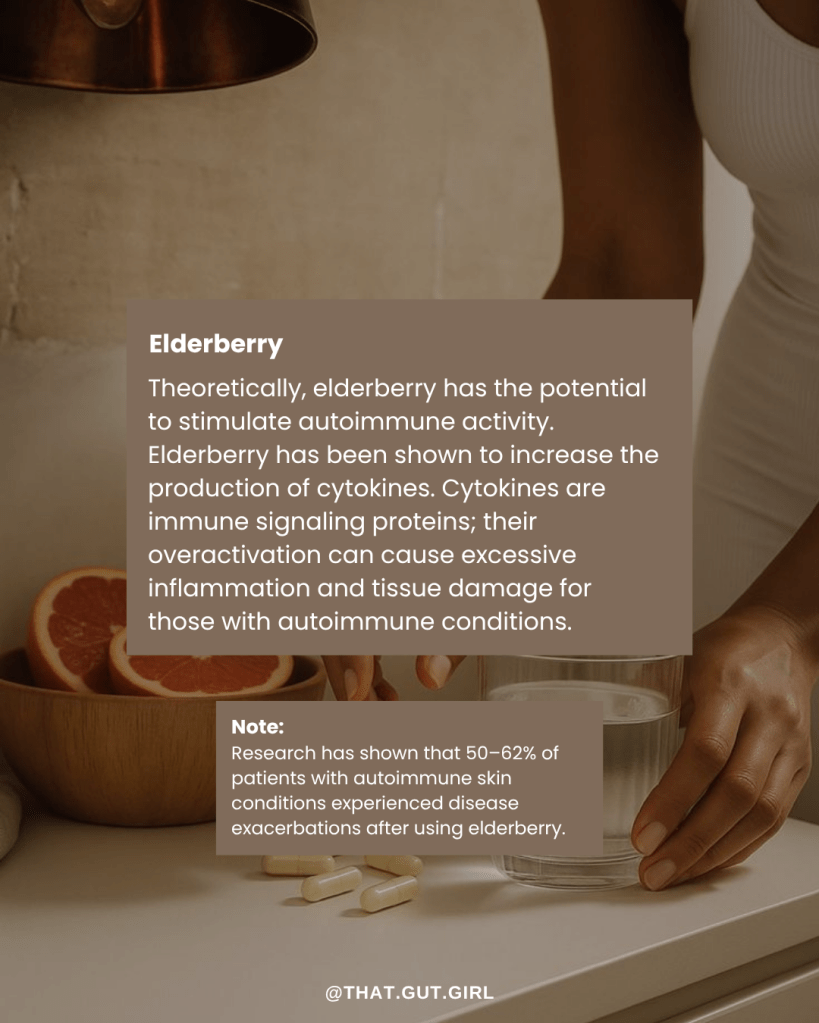
- Elderberry
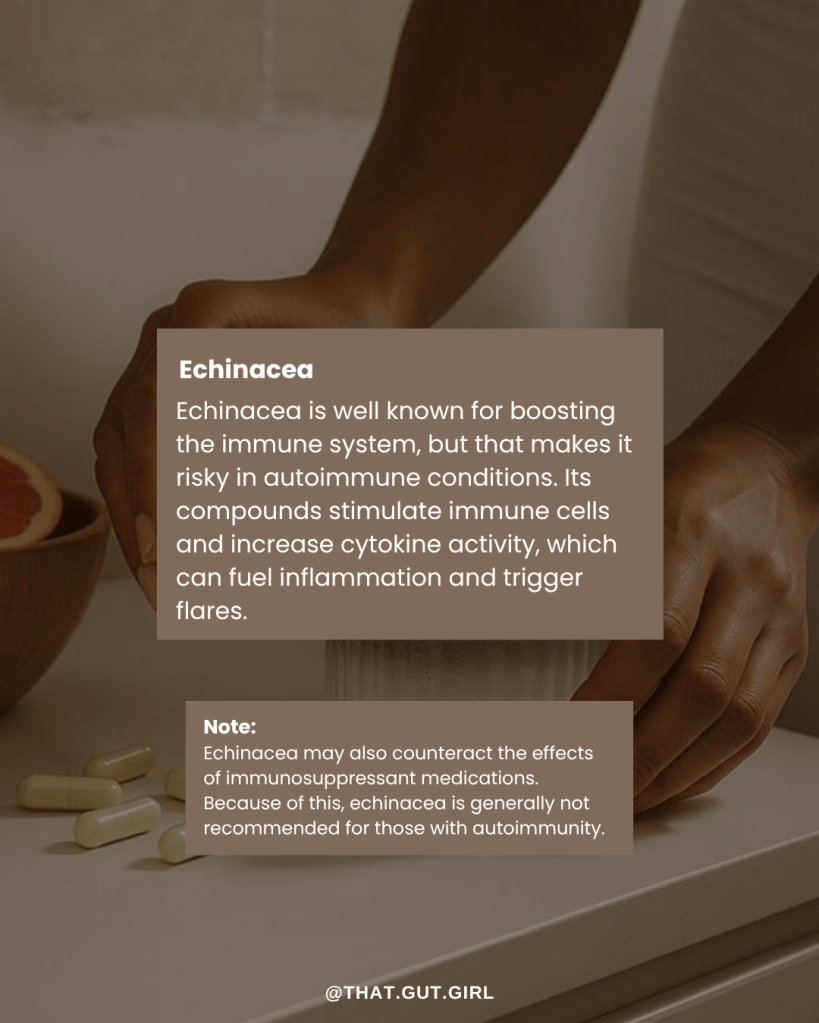
2. Echinacea
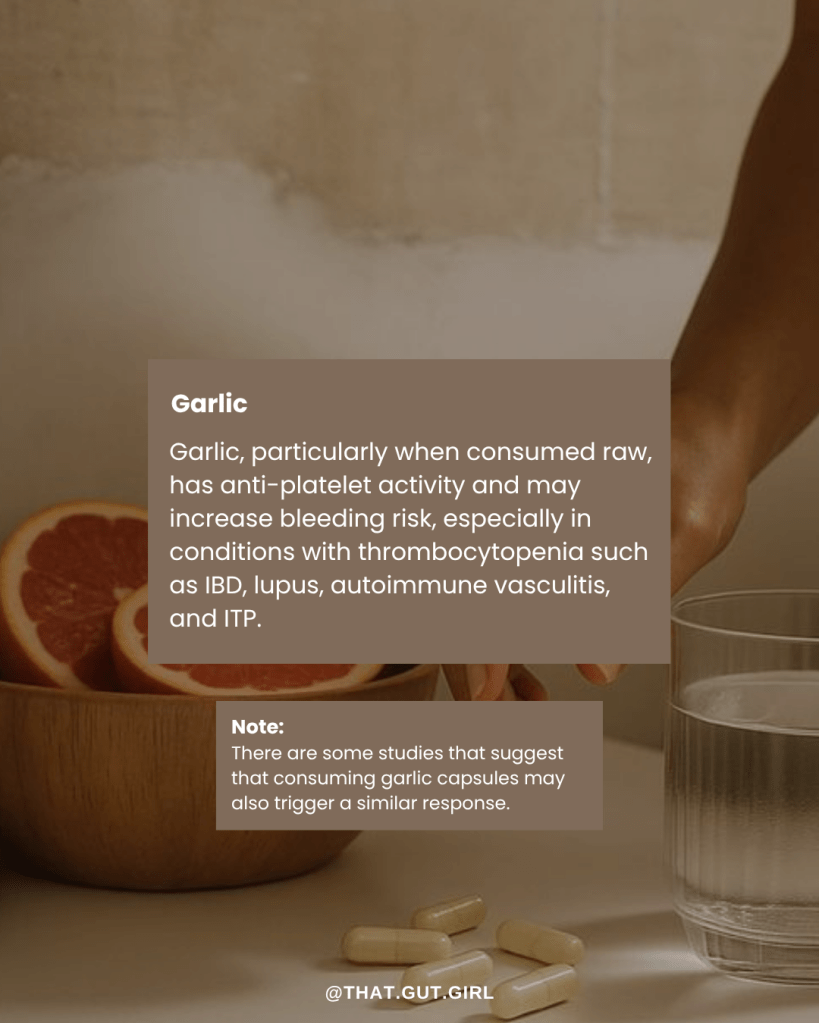
3. Garlic
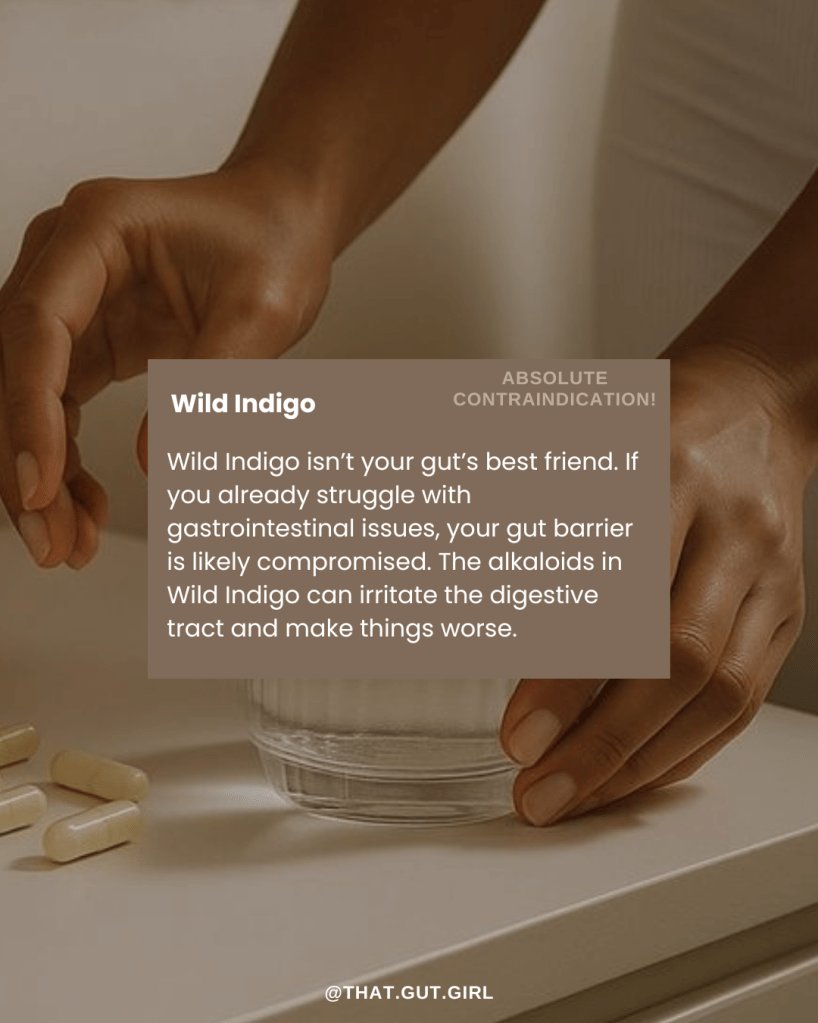
4. Wild Indigo
5. Andrographis and Astragalus

6. Ephedra

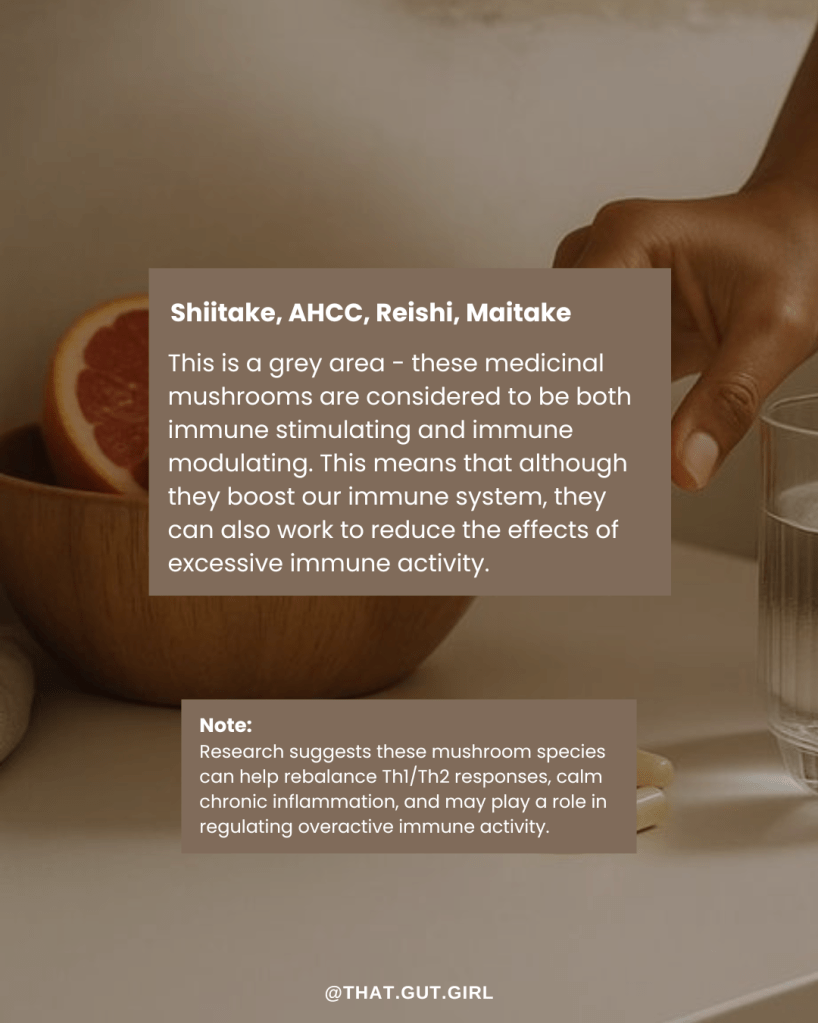
7. Medicinal Mushrooms such as Shiitake, AHCC, Reishi, and Maitake

If you’re interested in working with me, you can request to see me under the supervision of a registered Naturopathic Doctor (ND) book here
Want to see what I am up to on instagram? Check out my activity below:
 HolisticWellnessWithin Blog
Leave a comment